
It’s one of the most common questions we hear from businesses: what actually counts as dry mixed recycling (DMR), and what should go in general waste instead?
Getting this wrong is surprisingly easy, and surprisingly costly, since incorrect sorting can lead to contaminated recycling loads, higher collection costs and compliance issues.
What is Dry Mixed Recycling?
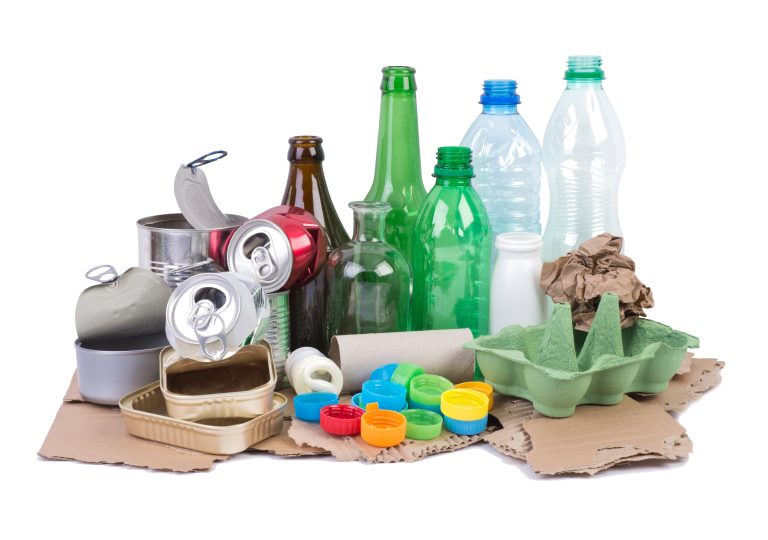
Dry mixed recycling refers to a group of clean, dry recyclable materials that can be collected together and sorted at a recycling facility. Typically this includes:
- Paper and cardboard
- Plastic bottles and containers
- Cans and metal packaging
The key word is dry. Anything wet, food-contaminated or mixed with organic waste can contaminate an entire load, meaning materials that could have been recycled end up going to general waste instead.
What Shouldn’t Go in DMR
A few common mistakes businesses make:
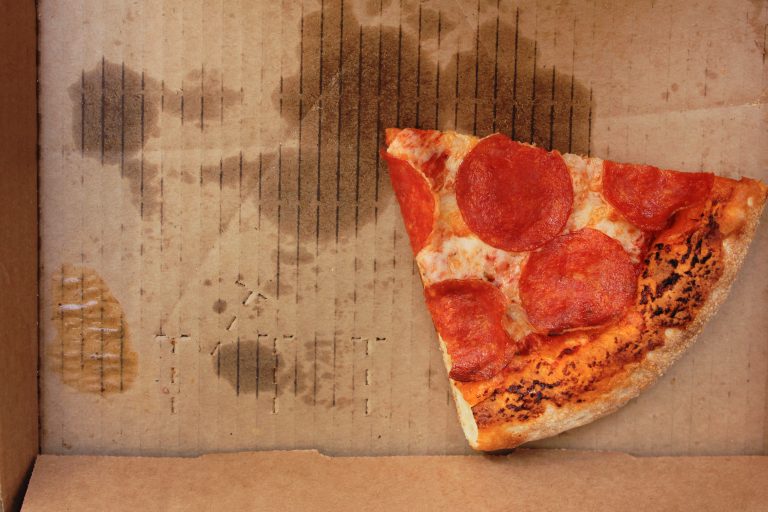
- Food-contaminated packaging – a pizza box with grease stains, or a coffee cup, contaminates the whole bin
- Black plastic – often not recyclable through standard DMR streams due to how sorting technology detects it, but check with your provider to see if they accept it
- Glass – usually needs a separate collection stream, not mixed in with DMR
- Soft plastics like cling film or plastic bags – these usually belong in general waste unless a specific soft/flexi plastics service is in place
Why Getting It Right Matters
Contamination isn’t just an environmental issue, it has a direct cost impact. Heavily contaminated recycling loads can be rejected or reclassified, meaning you pay general waste rates for material you thought was being recycled. Persistent contamination can also affect your relationship with your provider and your reported recycling rates, which increasingly matter for ESG reporting and client tenders.
A Simple Way to Check Your Setup
If you’re not confident your current sorting is right, a few practical steps help:
- Do a quick bin audit. Open your DMR bin and see what’s actually in there versus what should be.
- Check signage is clear at the point of disposal, not just in a policy document nobody reads.
- Ask your provider for contamination feedback. Many waste companies can flag which loads are being rejected and provide images, giving you a clear signal on where sorting is going wrong.
The Bottom Line
Dry mixed recycling only works as a cost-saving, environmentally sound option if the material going into it is genuinely clean and dry. A small amount of staff training and clear bin labelling usually resolves most contamination issues, and it’s one of the easiest wins available for improving both compliance and cost.
Need Some Advice?
Whether you’re looking to improve recycling rates, reduce waste management costs or build a more sustainable waste strategy, our experienced team is here to help.
At Evolve, we support businesses of every size, from independent SMEs to national multi-site organisations and blue-chip companies, providing tailored zero-to-landfill waste management solutions backed by one of the UK’s newest waste collection fleets, industry-leading reporting and exceptional customer service.
Get in touch with the Evolve team today
📞 03330 477 077