The UK banned disposable vapes on 1 June 2025, and you might expect the problem to have gone away. It hasn’t. Millions of vapes are still being thrown into general waste, and the lithium batteries inside them are setting fire to bin lorries, waste transfer stations and recycling centres.
For any business that produces waste, correct vape disposal is now a safety, compliance and financial issue. Here’s what you need to know.
Why are vapes causing so many fires?
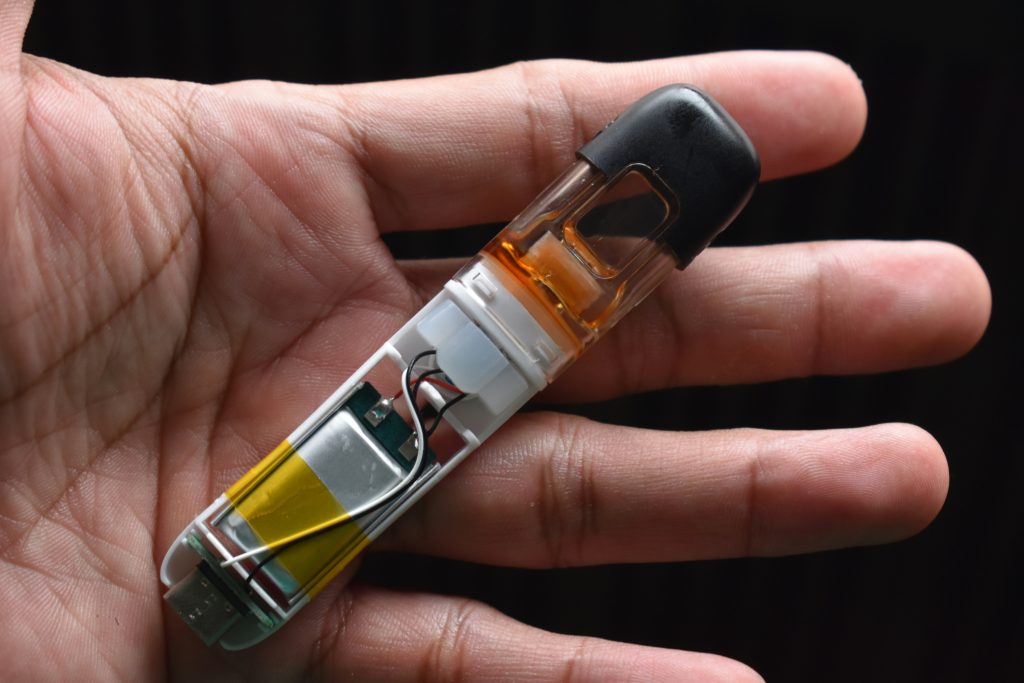
Every vape, whether disposable or rechargeable, contains a lithium-ion battery. In a vape that’s been thrown away, that battery can be crushed, punctured or damaged. This happens when waste is compacted in a bin lorry or shredded at a processing site. A damaged battery can overheat, ignite and spread fire in seconds.
The scale is significant. Material Focus, the not-for-profit behind the Recycle Your Electricals campaign, recorded more than 1,200 battery fires in UK bin lorries and waste facilities in 2023/24, a 71% rise on the previous year. Its latest research suggests around 6.3 million vapes and pods are still being thrown away every week, even after the ban.
These lithium battery fires put waste workers at risk. They also disrupt collections, damage vehicles and facilities and push up costs across the industry.
Did the disposable vape ban solve the problem?
Not on its own. The ban stops the sale of new single-use vapes, but it doesn’t deal with:
- Stockpiled disposables still in homes, shops and workplaces
- Rechargeable and refillable vapes, which are still legal and still contain lithium batteries
- Illegal disposables still circulating
- Confusion over disposal. Many people don’t realise vapes can be recycled at all, so they bin them.
What the law says about vape disposal
In the UK, vapes are classed as waste electrical and electronic equipment (WEEE). That means they must never go in general waste or your mixed recycling bin.
- Since January 2024, anyone who sells vapes must offer a free take-back service for used vapes, whatever the size of the business. Retailers must accept vapes and parts such as pods, coils and batteries.
- Retailers left with disposable stock after the ban must send it for recycling, not sell it on.
- Trading Standards and the Office for Product Safety and Standards enforce these rules, and non-compliant businesses risk fines.
Beyond the WEEE rules, all UK businesses have a legal duty of care for their waste. You’re responsible for it until it has been properly disposed of, which means using a licensed waste carrier and keeping the right paperwork.
How to dispose of vapes safely: a checklist for businesses
- Keep vapes out of general waste and mixed recycling. They must only be disposed of in dedicated battery or vape recycling containers. This is the most important step.
- Use the right container. It should be dedicated, clearly labelled and non-combustible, and kept away from heat sources and flammable materials.
- Don’t crush, puncture or compact them, and don’t try to remove the batteries yourself.
- Separate damaged or swollen devices and tell your waste provider about them.
- Use a licensed waste carrier to collect the container, and keep your waste transfer documentation.
- Train your staff to spot vapes and put them in the dedicated container every time.
This applies beyond vape retailers. Pubs, bars, hotels, offices, schools, events venues and workplaces of all kinds find vapes left behind or handed in, and all of them need a safe route for vape recycling.
What happens to vapes that are recycled?
Collected vapes go to specialist WEEE recycling facilities. There the batteries are removed safely and the materials are recovered, including lithium, copper and plastics, for reuse. It’s the safer option, and it keeps valuable resources out of landfill and incineration.
Fire risk and your business
A lithium battery fire in a skip, a bin store or a collection vehicle can cause serious damage. Costs can include downtime, property damage, insurance claims and reputational harm. Keeping vapes and other battery-containing items out of your general waste is one of the simplest ways to cut that risk.
How Evolve can help
Evolve Waste offers compliant commercial waste collections / WEEE and battery collections across the UK. Our team can help you set up a safe, compliant way to handle vapes and other electrical waste, so your business stays protected and your waste is handled by a licensed carrier.
FAQs
Can I put vapes in the general waste bin?
No. Vapes are WEEE and contain lithium batteries, so they must never go in general waste or mixed recycling.
Are disposable vapes still legal in the UK?
No. The sale of single-use vapes has been banned across the UK since 1 June 2025. Rechargeable and refillable vapes are still legal.
Can vapes be recycled?
Yes. Vapes can be recycled through retailer take-back schemes, council household recycling centres and licensed WEEE collection services.
Are businesses responsible for vape waste?
Yes. Under your duty of care, you must make sure waste is stored safely and passed only to a licensed carrier.
Need Some Advice?
Whether you’re looking to improve recycling rates, reduce waste management costs or build a more sustainable waste strategy, our experienced team is here to help.
At Evolve, we support businesses of every size, from independent SMEs to national multi-site organisations and blue-chip companies, providing tailored zero-to-landfill waste management solutions backed by one of the UK’s newest waste collection fleets, industry-leading reporting and exceptional customer service.
Get in touch with the Evolve team today
📞 03330 477 077