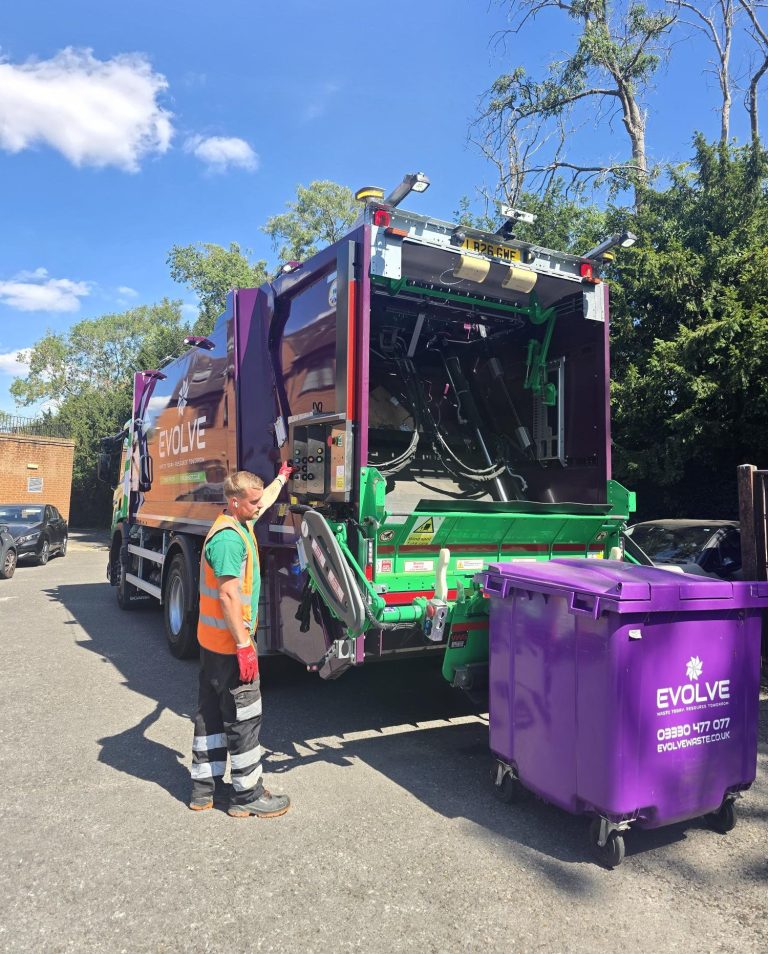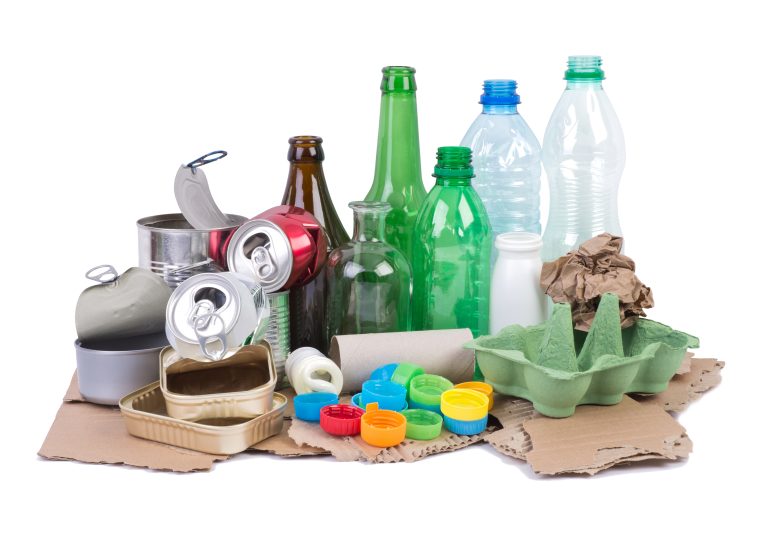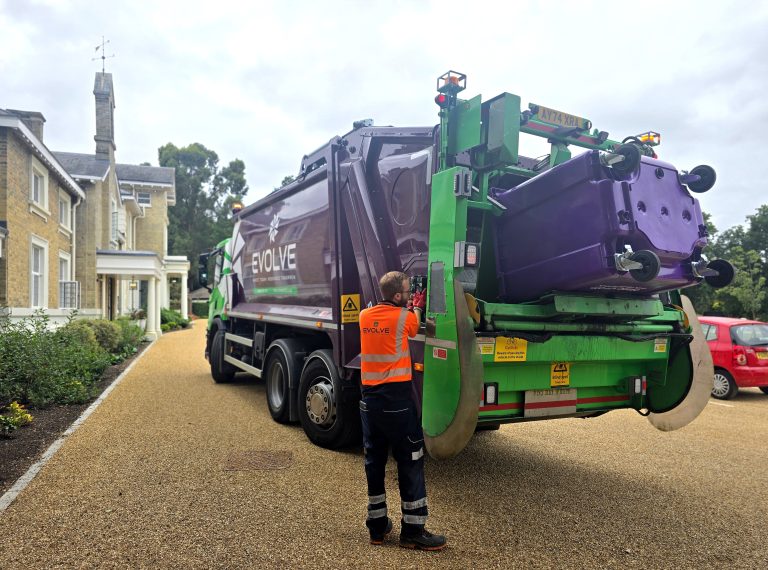
For many UK businesses, December means busier shops, fuller stockrooms and a lot more rubbish. Deliveries arrive in bulk, orders are packed by the hundred and bins fill up fast. Planning your Christmas business waste now helps you avoid overflowing bins, missed collections and unexpected costs.
Why does business waste surge at Christmas?
Seasonal trading creates extra waste almost everywhere:
- Retail and e-commerce: more stock deliveries, more outgoing parcels and a lot of cardboard, plastic wrap and void fill.
- Hospitality: more food waste, glass bottles and packaging from busy bookings and events.
- Offices and warehouses: gifts, party supplies, supplier deliveries and extra staff and visitors.
Cardboard is usually the biggest increase. It’s bulky, so a few days of heavy deliveries can fill your containers quickly.
Plan your collections early
Bank holidays can change collection schedules, and waste collectors get very busy in the run-up to Christmas. To stay ahead:
- Check the festive period collection schedule with your waste provider as early as you can.
- Book extra collections for your busiest weeks, or ask about a larger container for the festive period.
- Plan for the January rush, when packaging from returns and post-Christmas deliveries arrives.
- Keep your bin store accessible so your collector can reach it.
Cardboard recycling: get it right
Cardboard recycling is one of the easiest ways to cut your waste costs and your environmental impact, because clean cardboard is a valuable material.
- Flatten every box before it goes in the bin. It saves space and means fewer collections.
- Keep it clean and dry. Wet, greasy or food-soiled cardboard (like pizza boxes) is harder to recycle.
- Remove contaminants such as polystyrene, plastic wrap, bubble wrap and large amounts of tape where you can.
- Don’t mix cardboard with general waste. In England, businesses have to separate paper and card for recycling, and paper and card should be collected separately from other dry recyclables unless your collector has a written assessment justifying otherwise. Micro-firms have until 31 March 2027 to comply.
Avoid the common festive waste problems
- Overflowing bins can lead to pest problems and fire risk if waste builds up near buildings.
- Contamination goes up when seasonal staff don’t know what goes where. A quick briefing and clear signage helps.
- Specialist items such as old lights, batteries and electricals should never go in general waste or mixed recycling.
Quick festive waste checklist
- Confirm bank holiday collection dates.
- Book extra collections or larger containers.
- Brief all staff, including temporary workers.
- Flatten cardboard and keep it dry.
- Label bins clearly.
FAQs
Can businesses recycle cardboard at Christmas?
Yes. Clean, dry cardboard can be recycled through a commercial cardboard recycling collection. Flatten boxes and remove plastic and polystyrene first.
Do commercial waste collections change over Christmas?
Sometimes, yes. Bank holidays can change collection days, so check your provider’s schedule early. Evolve Waste operates every day of the year, apart from Christmas Day and New Year’s Day.
What should I do if I produce more waste in December?
Book extra collections in advance or request a larger container for the festive period.
Need Some Advice?
Whether you’re looking to improve recycling rates, reduce waste management costs or build a more sustainable waste strategy, our experienced team is here to help.
At Evolve, we support businesses of every size, from independent SMEs to national multi-site organisations and blue-chip companies, providing tailored zero-to-landfill waste management solutions backed by one of the UK’s newest waste collection fleets, industry-leading reporting and exceptional customer service.
Get in touch with the Evolve team today
📞 03330 477 077